Equipment & Vehicle Finance
Business-purpose finance onlyFound the asset? Check the finance before you commit.
Send the listing or tell us what you are buying. We assess the asset, seller and business position before deciding which lenders are worth approaching.
No obligation and no credit check to enquire. Nothing is submitted to a lender without your agreement.
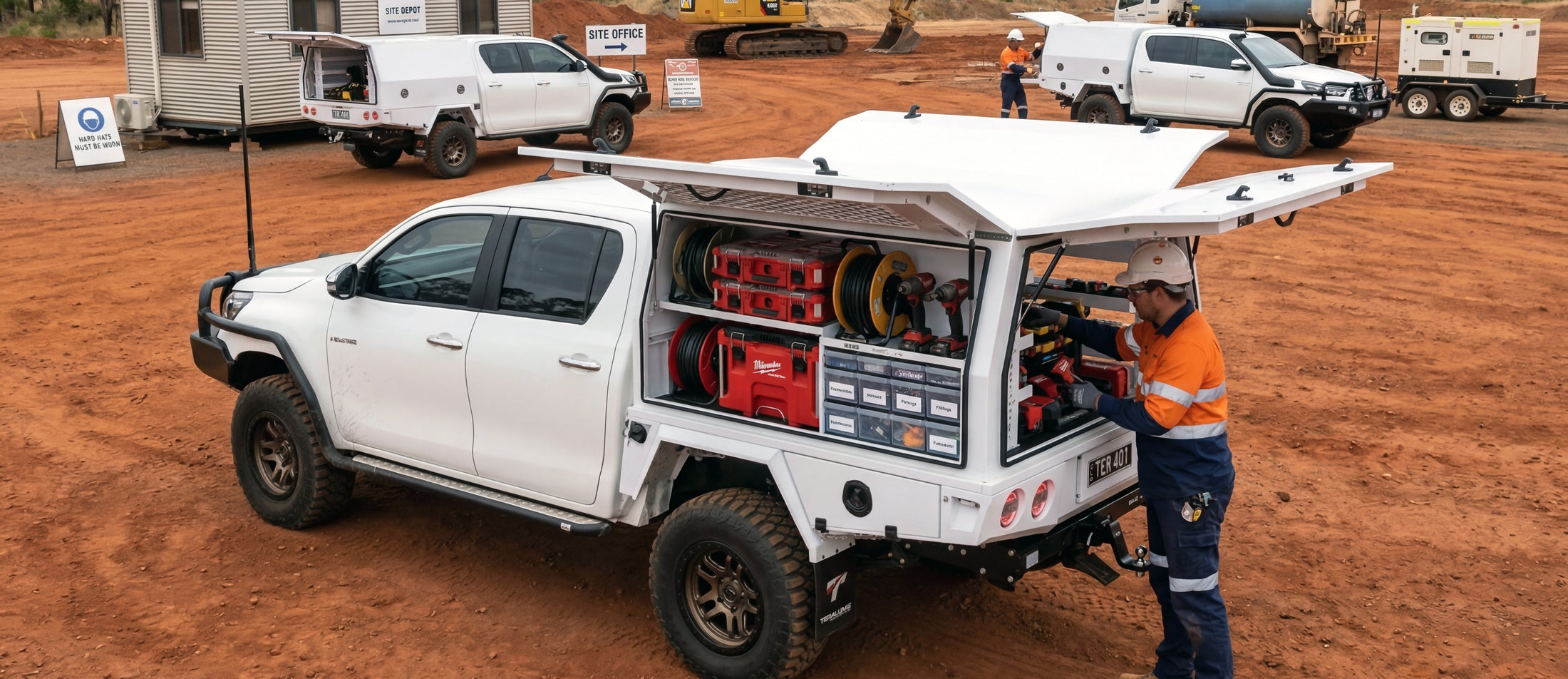
Utes, vans, trucks & machinery · New or used · Australia-wide
- Bank and non-bank lender options compared
- Chattel mortgage, lease and hire purchase options
- Direct access to one broker — no call centre
Start the conversation
60 SEC60 seconds. No credit check to enquire.
Check the deal before you apply
Use the finance check for your business position, or analyse a specific asset listing.
Best place to start
Can I finance this asset?
Upload a listing and get an instant financeability read, repayment range and likely document checklist.
Check an asset →Repayment estimator
See an indicative weekly repayment range for any machine, truck or equipment in 30 seconds. No details required to see the number.
Estimate my repayments →Business finance readiness check
8 quick questions for an indicative read on where your business may sit with lenders — before you apply anywhere. No credit check.
Run the finance check →What you can finance
Utes & vans
Work vehicles and light commercials
Trucks & trailers
Prime movers, rigids and fleet assets
Plant & construction
Excavators, bobcats and earthmoving
Used equipment
Dealer, auction and private-sale assets
Medical & dental
Practice and clinical equipment
Agricultural
Tractors, harvesters and farm plant
Hospitality
Commercial kitchens and fit-outs
Other business assets
Technology, office and specialised equipment
How it works
Start with the asset
Send the listing or describe what you are buying. We look at age, seller, price and business use.
We assess the full picture
Business history, available documents, cash flow and asset fit determine which lenders are worth approaching.
Apply only when ready
Suitable options are explained before anything is submitted. We then manage the application and settlement.
Which structure suits you?
The right structure depends on ownership, cash flow and tax treatment for your circumstances — this is where a broker earns their keep. In brief:
Chattel mortgage
You own the equipment from day one; the lender holds security over it. The most common structure for income-producing assets. Tax treatment depends on your circumstances — seek accounting advice.
Commercial hire purchase
The lender buys the equipment and hires it to your business, with ownership transferring on the final payment. Tax treatment differs from chattel mortgage.
Finance lease
The lender owns the equipment and leases it to you for a fixed term, with options to purchase, extend or return at the end. Payments may be deductible in some circumstances.
Operating lease / rental
Use the equipment without ownership — suited to assets that date quickly, like IT and technology. Accounting treatment varies.
Frequently asked questions
Can I finance used equipment or a private sale?
Yes. Many lenders consider used equipment and private-sale purchases, particularly for common asset types. Age, condition and marketability of the equipment affect lender appetite and the maximum finance available.
How fast can equipment finance be approved?
For standard assets with an established business, many lenders offer fast-tracked assessment — approvals within 1–2 business days are common, sometimes same-day. Older, specialised or higher-value equipment may take longer.
What is a balloon or residual payment?
A lump-sum payment at the end of the loan term. It reduces regular repayments during the term, but the balloon must then be refinanced, paid out, or covered by selling the asset. Tax and accounting treatment varies — seek independent advice.
Is equipment finance available for new businesses?
Some lenders consider start-ups, particularly for common and easily realisable assets. Assessment is more conservative and may require additional security or guarantees.
What documents will I need?
For smaller transactions with established businesses, some lenders offer streamlined low-doc assessment — often just ID, ABN details and the equipment invoice or quote. Larger or complex deals typically require business financials and BAS statements.
Which structure is most tax-effective?
It depends on the structure, how the asset is used, and your tax position. Confirm the right structure with your accountant or tax adviser before committing — we work alongside them, not instead of them.
Found something worth buying?
Run the Deal Check first, or send a 60-second enquiry and speak directly with Michael.
Related Commercial Finance Services
General information only — not personal financial, tax or credit advice. Tax treatment of equipment finance varies and should be assessed by your accountant. Finance subject to lender approval. Michael Short, Credit Representative 468493 under ACL 389328.